Getting Your Pool Ready for Hurricane Season
To get a pool ready for a hurricane, leave the water in, bring loose furniture and toys inside, add chlorine, and turn off power to the pool equipment at the breaker. After the storm, clear debris, check the equipment before turning it back on, and rebalance the water. Always follow local emergency guidance first.
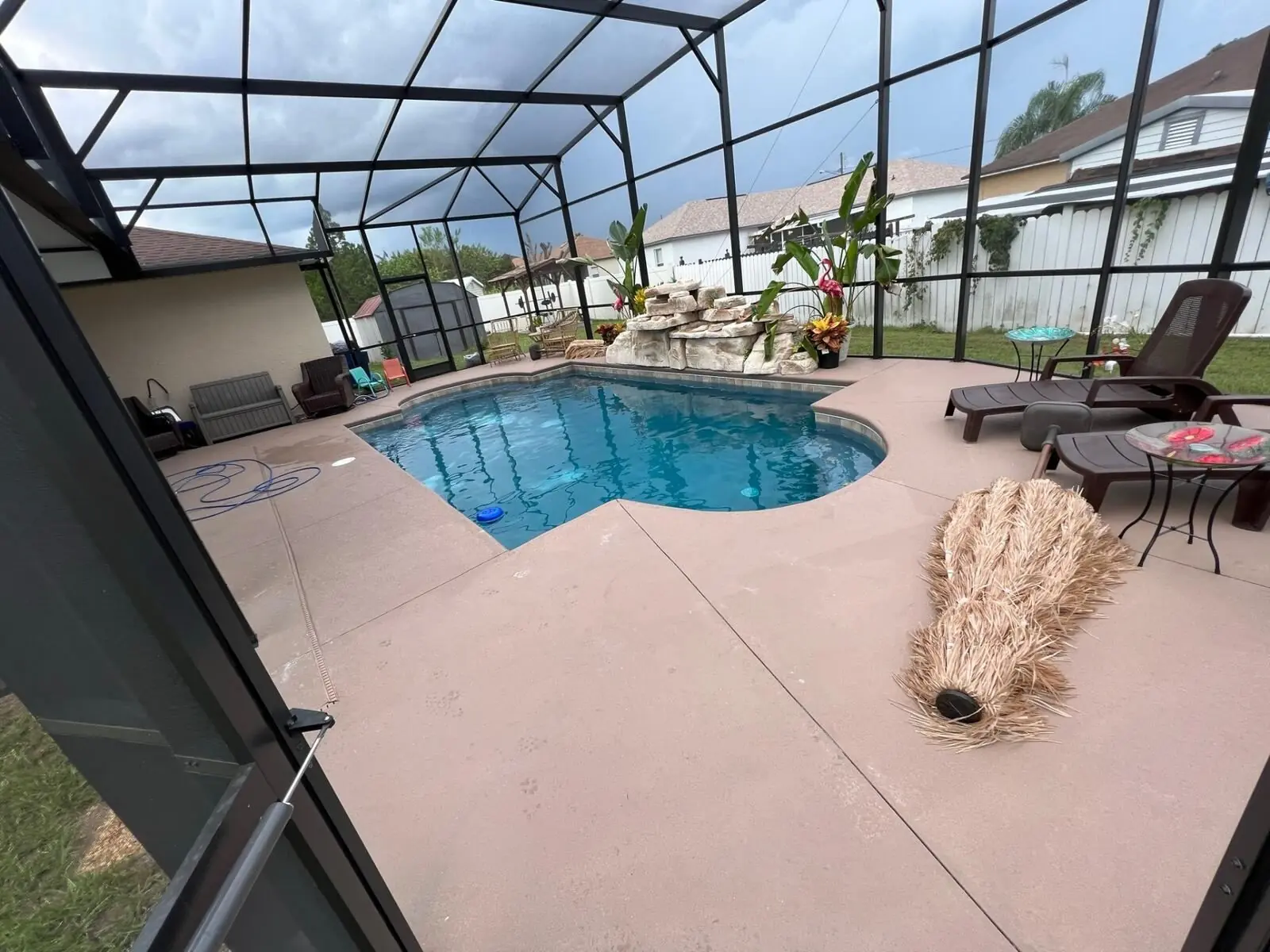
Hurricane pool prep in Davenport follows the same basic steps as anywhere in Florida. Hurricane season runs from June 1 through November 30, and storms can bring high winds, heavy rain and power outages. A pool that's ready before a storm is easier to put back in order after it. This guide covers the widely recommended steps. Your family's safety comes first, so always follow the guidance of local emergency officials.
Planning Ahead for Hurricane Season
The best time to prepare is before a storm is in the forecast. Stores get busy and supplies run low once a storm is named. A little planning early in the season makes storm week calmer.
- Know where the breaker for your pool equipment is and how to turn it off.
- Keep a supply of pool chlorine on hand, stored safely and out of reach of children.
- Make a list of everything around the pool that wind could move: furniture, umbrellas, toys, planters and grills.
- Keep your equipment's manuals or model numbers somewhere easy to find.
- Note who you'd call for an electrician or a pool repair after a storm.
Why a Pool Should Stay Full During a Storm
Draining a pool before a hurricane is a common mistake. The water's weight helps hold the pool in place. Heavy rain can raise the groundwater around a pool. When a pool is empty or very low, that groundwater pushes up on the shell with nothing pushing back. In some cases, the pressure can crack an empty pool or lift it out of the ground.
Leave the water at or near its normal level. Heavy rain will raise it, and you can lower it back to normal once the storm passes. Keeping the pool full also protects the interior finish from drying out and cracking in the sun.
Securing Furniture, Toys and Loose Items
High winds turn loose objects into hazards. They can break windows, tear a screen enclosure, or land in the pool and damage the finish.
- Bring patio furniture, umbrellas, cushions, toys and pool tools into a garage or shed.
- Take out any automatic pool cleaner and store it.
- Take down or tie down anything hanging, such as lights and planters.
Some guidance says plastic resin furniture can be sunk in the pool when there's no room to store it. Storing it indoors is the better choice. Furniture in the pool can scratch or stain the surface. Metal furniture should never go in the water.
If your pool has a screen enclosure, follow local emergency guidance and the enclosure maker's advice for storms.
Hurricane Pool Prep for Davenport Pool Equipment
Pool equipment runs on electricity and usually sits outdoors near ground level, so it needs attention before a storm.
- Add chlorine. A higher dose of chlorine than usual helps the water handle the dirt and debris that rain and wind bring in. Follow the product label for amounts and safety.
- Circulate, then shut down. Run the pump for a while after adding chlorine so it mixes in. Then turn the system off before the storm arrives.
- Turn off power at the breaker. Switch off the pump, heater, lights and automation at the circuit breaker, not only at the timer or control panel. This helps protect the equipment from power surges and flooding.
- Clear the area. Move loose items away from the equipment so wind can't throw them into it.
Cleaning Up and Checking the Pool After a Storm
Wait until officials say it's safe to go outside. Then work through these steps in order:
- Check for hazards first. Downed power lines, standing water near electrical equipment and damaged structures come before the pool.
- Remove large debris from the pool with a net. Don't use the pool's vacuum or pump to pull up heavy debris, because it can clog or damage the equipment.
- Empty the skimmer and pump baskets.
- Lower the water to its normal level if rain has raised it.
- Look the equipment over for damage before turning the power back on.
- If any equipment was underwater, don't turn it on. Have a licensed electrician check it first.
- Once the equipment is safe and running, clean the filter, test the water and rebalance the chemistry. The filter will likely fill quickly at first, so check it often.
A heavily contaminated pool can take several days of filtering, brushing and chlorine to clear. Stay out of the water until it's clear and the chemistry is balanced.
Pool Repairs After a Storm
Storms can crack decks, damage lighting, and ruin pumps and heaters. Hallmark's pool repair and remodeling services cover cracks, leaks, pumps, filters, heaters, lighting, tile and coping, plumbing and electrical. Coping is the cap along the pool's top edge.
Hallmark Pool & Spa World is a family-owned pool builder in Kissimmee that has served Central Florida since 1981. It works across Polk, Osceola, Orange and Lake counties, including Davenport. The full list is on the areas Hallmark serves page. Hallmark is Florida State Licensed, Bonded and Insured.
If a storm left your pool needing repairs, or you're ready to plan an update, ask for a free, no-obligation quote. Hallmark handles the permits and makes sure the work meets local, state and federal regulations.
Frequently Asked Questions
Should I drain my pool before a hurricane?
No. Keep the water at or near its normal level. The water's weight helps hold the pool in place, and an empty pool can be damaged by groundwater pressure.
Should I turn off my pool pump during a hurricane?
Yes. Before the storm arrives, turn off power to the pump, heater, lights and other pool equipment at the circuit breaker.
Can I put patio furniture in the pool during a hurricane?
Storing furniture indoors is the better choice. Some guidance allows sinking plastic resin furniture when there's no other option, but it can scratch or stain the finish. Never put metal furniture in the pool.
When is hurricane season in Florida?
The Atlantic hurricane season runs from June 1 through November 30 each year.
Get a Free Quote
Tell us about your yard and what you have in mind, and we'll put together a free, no-obligation quote.