Pool Safety for Families: Fences, Covers and Alarms
Good pool safety uses layers: a barrier around the pool, alarms or self-closing doors, a safety cover where it fits, and an adult watching whenever children swim. Florida law requires a new residential pool to have at least one approved safety feature. Check your local code for the exact rules where you live.
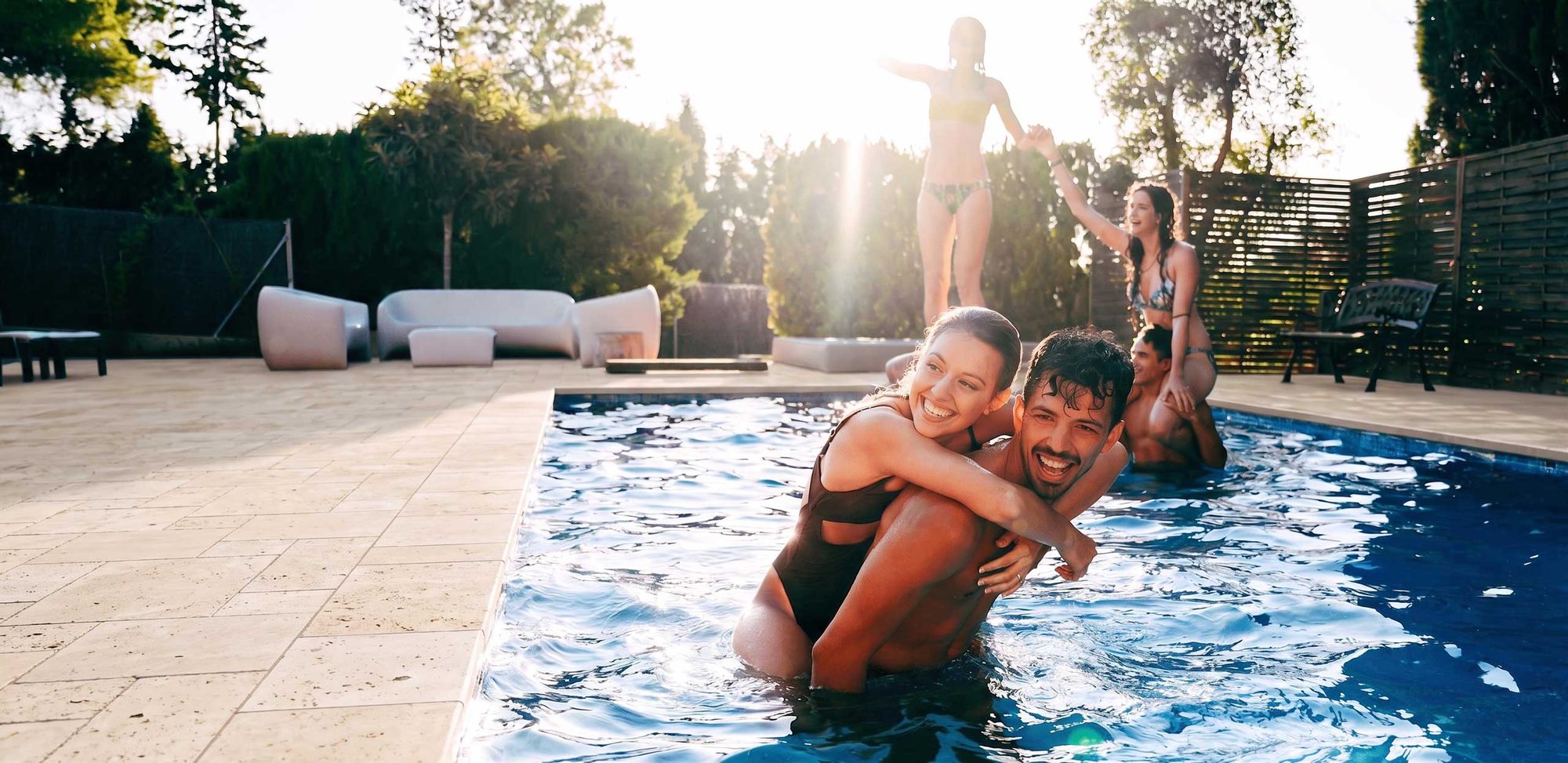
Pool safety in Florida starts with one idea: no single measure is enough on its own. Pool safety guidance widely recommends layers of protection, so if one layer fails, another is still in place. For families in Clermont and across the state, that means combining barriers, alarms, covers and supervision. This guide explains each one and what Florida law requires for new pools.
Pool Safety in Florida Starts With Layers of Protection
A layer of protection is anything that keeps a child away from the water or alerts an adult when someone gets near it. Common layers include barriers, alarms, covers and door locks. The most important layer is an adult watching.
Each layer covers gaps the others leave. A gate can be propped open. An alarm can be switched off. A cover can be left off after a swim. When several layers work together, one lapse doesn't leave the pool unprotected.
What Florida Law Requires for New Pools
Florida's Residential Swimming Pool Safety Act requires a new residential pool to have at least one approved safety feature. The approved options are:
- An enclosure or barrier around the pool
- An approved safety cover
- Exit alarms on doors and windows that open to the pool
- Self-closing, self-latching doors
Local building codes can add their own requirements. Check your city or county code before you build. Check your HOA's rules too, since most require approval before you build. A licensed contractor that handles permits will know what the local code requires. This guide is general information, not legal advice.
Barriers, Fences and Screen Enclosures
A barrier keeps children from reaching the pool without an adult. It can be a fence around the pool, a wall, or a screen enclosure. Screened lanais, the covered and screened patios common on Florida homes, are a familiar sight around pools here.
A few practices make any barrier work better:
- Make it hard to climb. Avoid footholds, and keep furniture, planters and equipment away from the outside of the barrier.
- Use gates that are self-closing and self-latching, so they swing shut and lock on their own after someone walks through.
- Place latches high, out of a small child's reach.
- Test gates and latches often to make sure they close and lock every time.
Hallmark's custom build process includes a screen enclosure and safety step in its final phase. Local code sets the exact requirements a barrier has to meet.
Safety Covers
A safety cover stretches across the pool and anchors to the deck. An approved safety cover is built to hold weight, so a child or pet who walks onto it doesn't fall into the water. Some safety covers are opened and closed by hand. Others are motorized.
A safety cover only protects the pool when it's on and secured. A floating solar cover or a debris cover isn't a safety cover, and a child can slip under one. Look for a cover labeled as meeting a recognized safety standard, and follow the maker's instructions for using it.
Door and Window Alarms
Many Florida homes have doors that open straight onto the pool deck or lanai. That makes the house itself part of the barrier. Alarms on those doors and windows sound when they open, which alerts adults that someone is heading toward the pool.
Self-closing, self-latching hardware on those same doors adds another layer. Some families also use pool alarms that sit in or beside the water and sound when something enters it. Alarms work best alongside other layers, not in place of them.
Supervision and Safe Habits
Barriers and alarms buy time. Supervision is what keeps children safe once they're in or near the water.
- Watch the water. Assign one adult to watch the pool whenever children are swimming, without phones or other distractions. Trade off so the person watching can stay focused.
- Teach swimming. Swim lessons help children and adults stay safer around water. Lessons don't replace supervision.
- Keep the area clear. Put toys away after swimming so they don't draw children back to the water. Move chairs and anything else a child could climb near the barrier.
- Learn CPR. CPR training prepares adults to respond in an emergency while help is on the way.
- Check the pool first. If a child is missing, look in the pool right away.
Hallmark Pool & Spa World has built pools across Central Florida since 1981, including in Clermont and the rest of Lake County. Hallmark handles the permits for every custom pool and makes sure the work meets local, state and federal regulations. See the areas Hallmark serves, or find more answers on the pool FAQ page.
If you're planning a new pool, ask for a free, no-obligation quote. Every Hallmark custom design starts with a 3D model, which is a good time to plan barriers, gates and alarms along with the rest of the project.
Frequently Asked Questions
What are Florida's pool safety requirements?
Florida's Residential Swimming Pool Safety Act requires a new residential pool to have at least one approved safety feature: an enclosure or barrier, an approved safety cover, exit alarms on doors and windows that open to the pool, or self-closing, self-latching doors. Local codes may add more, so check with your city or county.
Does a screen enclosure count as a pool barrier in Florida?
Screen enclosures are common around Florida pools. Whether one meets the barrier requirement depends on how it's built and on local code, so confirm with your building department or your pool contractor.
Do pool door alarms work?
Door and window alarms sound when a door or window to the pool area opens, which alerts adults right away. They work best as one layer among several, alongside barriers and supervision.
Do swim lessons make a child safe around a pool?
Swim lessons help, but no child is safe around water because of lessons alone. Lessons work alongside supervision and barriers, never in place of them.
Get a Free Quote
Tell us about your yard and what you have in mind, and we'll put together a free, no-obligation quote.